Archives
- 2026-09
- 2026-08
- 2026-07
- 2026-06
- 2026-05
- 2026-04
- 2026-03
- 2026-02
- 2026-01
- 2025-12
- 2025-11
- 2025-10
- 2025-09
- 2025-04
- 2025-03
- 2025-02
- 2025-01
- 2024-12
- 2024-11
- 2024-10
- 2024-09
- 2024-08
- 2024-07
- 2024-06
- 2024-05
- 2024-04
- 2024-03
- 2024-02
- 2024-01
- 2023-12
- 2023-11
- 2023-10
- 2023-09
- 2023-08
- 2023-07
- 2023-06
- 2023-05
- 2023-04
- 2023-03
- 2023-02
- 2023-01
- 2022-12
- 2022-11
- 2022-10
- 2022-09
- 2022-08
- 2022-07
- 2022-06
- 2022-05
- 2022-04
- 2022-03
- 2022-02
- 2022-01
-
The overall response rate to
2022-01-03
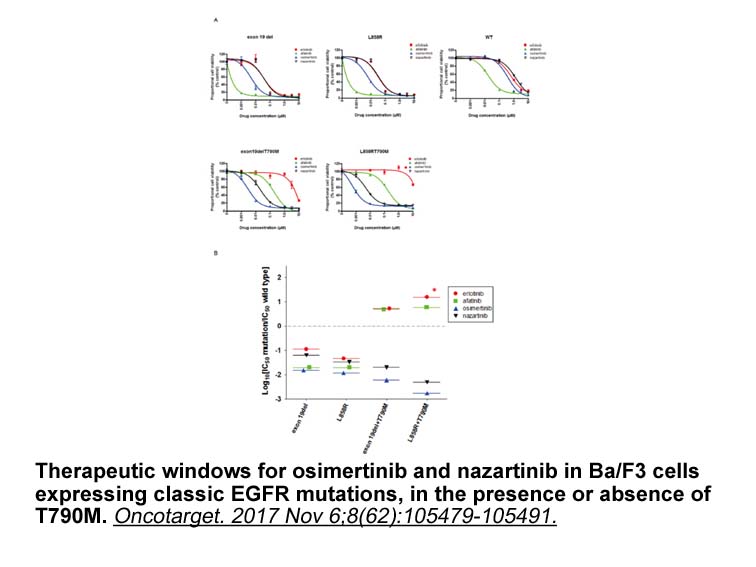
The 13% overall response rate to afatinib is comparable to a 19% response rate reported by Peters et al. [20] in a separate retrospective series investigating the use of afatinib in more heavily pretreated patients with HER2-mutant lung adenocarcinomas. Our 13% response rate is also comparable to an
-
The dramatically reduced expression of CFTR
2022-01-03
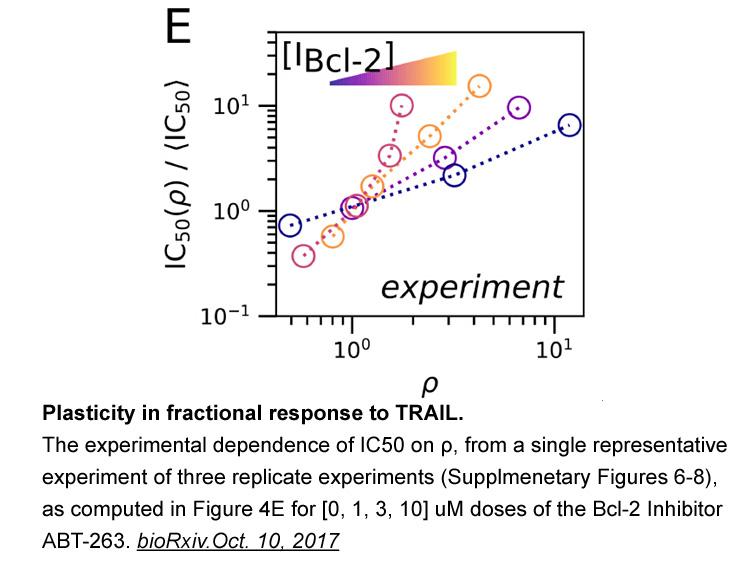
The dramatically reduced expression of CFTR in human colorectal cancer tissues identified herein is consistent with our previous findings using human breast cancer tissues, prostate cancer tissues, and colon cancer tissues, and suggests that the loss of CFTR is likely a general phenomenon in epithel
7892 records 527/527 page Previous First page 上5页 526527